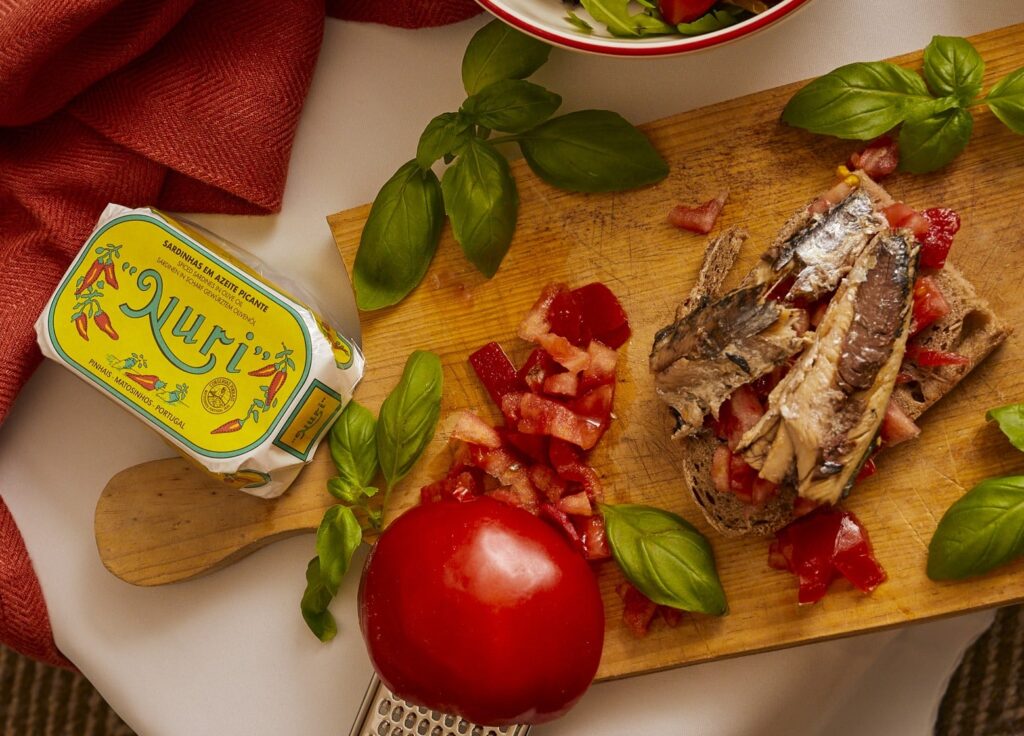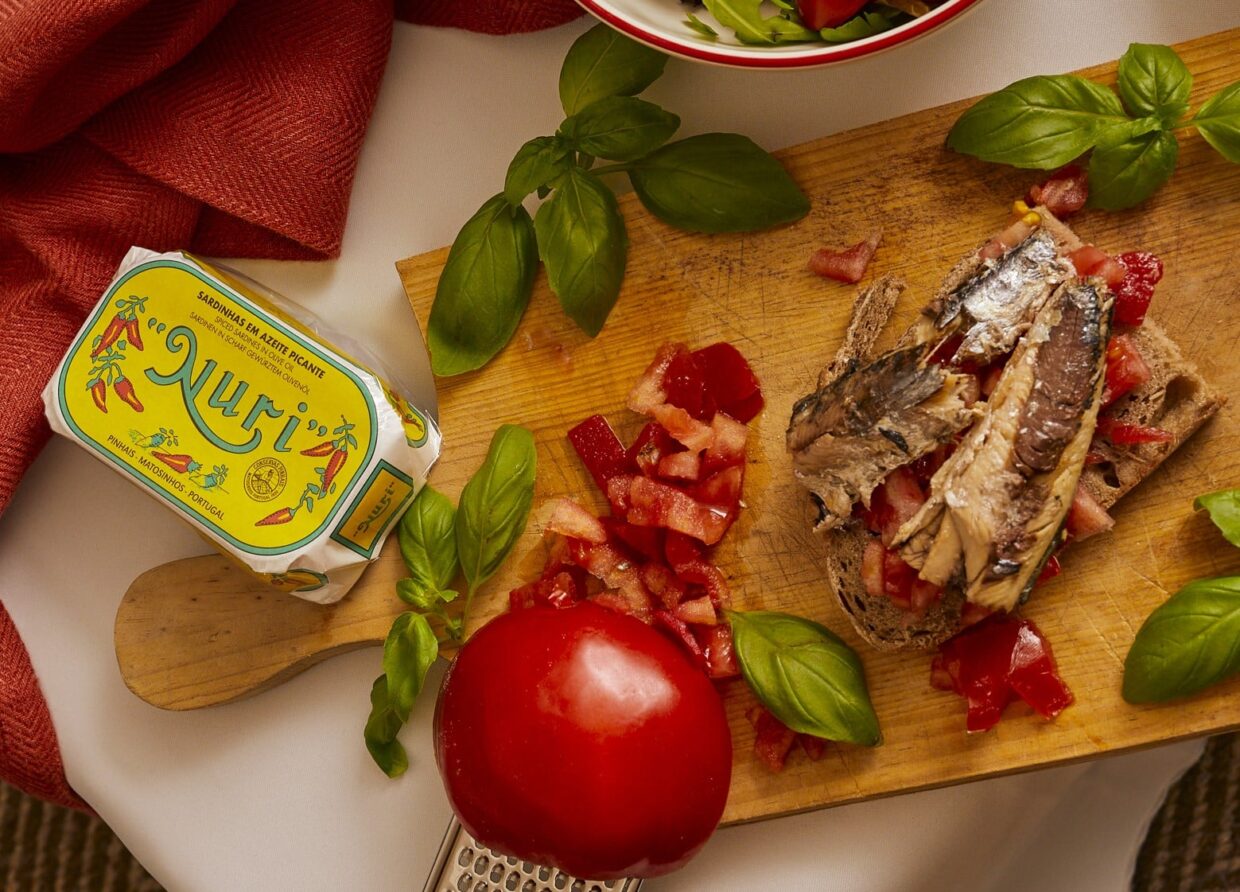
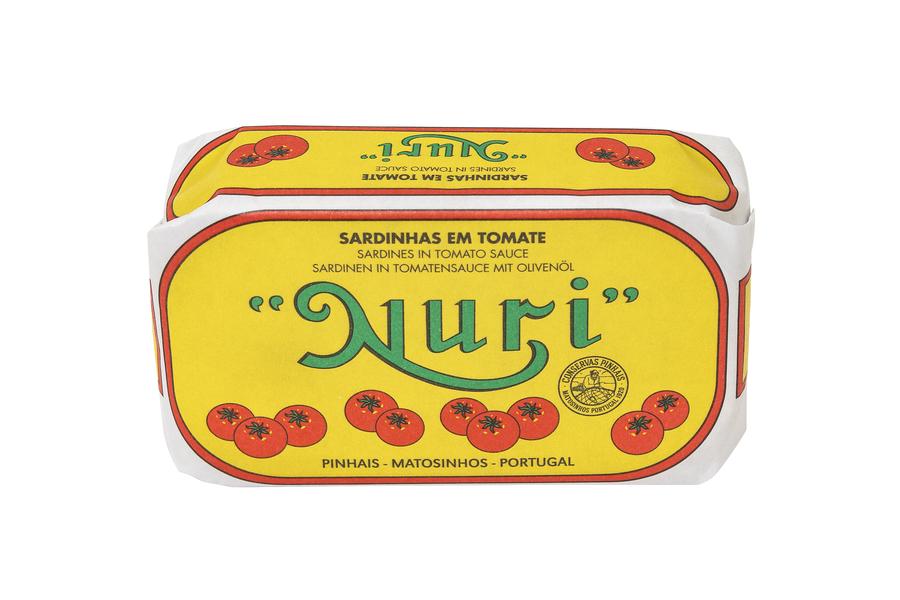
Origin: On the rugged Atlantic coast of northern Portugal — in the historic fishing town of Matosinhos, just outside Porto — lies a century-old tradition of preserving the ocean’s bounty. This is the home of Conserveira Pinhais & Cia, the artisan cannery behind Nuri sardines, founded in 1920 and still family-run nearly a hundred years later.
From that port each morning, boats bring in freshly caught Atlantic sardines (Sardina pilchardus), which are immediately prepared, seasoned, and packed by hand. The result is more than convenience food — it’s a direct taste of the sea and Portuguese coastal culture.
While canned fish might seem simple, the art of Nuri sardines is anything but. Every tin of NURI sardines in tomato sauce undergoes an elaborate, traditional process that includes fresh morning catches, meticulous hand cleaning, and artisanal packing in purist ingredients like ripe tomato pulp, olive oil, and selected spices.
Most production is still done by skilled artisans, honoring a method that has barely changed in generations. This commitment to craftsmanship has helped Nuri consistently appear in global rankings of the world’s best canned fish.

Health: Sardines are one of the most nutrient-dense animal foods relative to their size and calorie content. They provide high levels of EPA and DHA omega-3 fatty acids, which are structurally incorporated into cell membranes and influence inflammation, lipid metabolism, and vascular function. Regular intake is associated with lower triglycerides and improved cardiovascular markers. Because sardines are small and low on the food chain, they contain minimal mercury compared to larger predatory fish.
They are an excellent source of complete protein, supplying all essential amino acids in a highly digestible form. This supports muscle maintenance, enzyme production, and overall metabolic function without the heaviness sometimes associated with fattier meats.
Sardines also naturally contain vitamin D and are particularly rich in vitamin B12, essential for red blood cell formation. Selenium supports enzymes that protect cells from oxidative damage and contributes to normal immune function.
The tomato sauce adds lycopene, a carotenoid antioxidant that becomes more bioavailable when tomatoes are cooked and consumed with fat. Lycopene intake is associated with reduced oxidative stress and improved cardiovascular health.
Taste: The tomato sauce is generally mild, aromatic, and balanced, complementing the rich, briny character of the fish without overwhelming it. Sardines are firm yet tender, with a clean ocean flavor that pairs beautifully with fresh bread, salads, pasta, or rice.